Why Lemon Vibrators Feel Different After 40: What Changes (and What Doesn't)
Let's be real. Something shifts around 40. Your body doesn't respond the way it did at 25. Arousal takes longer. Lubrication isn't automatic. Orgasms feel different, sometimes more distant. And if you're using a vibrator that worked perfectly before, you might suddenly wonder if it's actually working anymore.
Here's the thing: your body changed. The vibrator didn't. And understanding what changed is the difference between thinking you're broken and realizing you just need different tools.
The actual physiology of pleasure after 40
Between 40 and menopause (which arrives at wildly different ages for different people), your estrogen begins a slow, uneven decline. Testosterone drops too. This is where the changes live.
Estrogen affects tissue thickness, blood flow, and how quickly nerves fire. Lower estrogen means the vulva and vaginal walls become thinner and less elastic. The pelvic floor loses some of its supportive muscle tone. Lubrication comes slower and sometimes less abundantly. Arousal itself takes longer to build—not because you're less interested, but because your nervous system is operating with a different hormonal backdrop.
But here's what doesn't change and what most people get wrong: the clitoris itself doesn't shrink. The nerve density doesn't drop. Your brain's capacity for pleasure is intact. Orgasm is still completely possible, often intensely so.
The research is clear on this. A 2015 study in Sexual Medicine Reviews found that orgasm frequency and intensity don't necessarily decline with age. What changes is the path to get there.
Why air-suction vibrators work better for bodies over 40
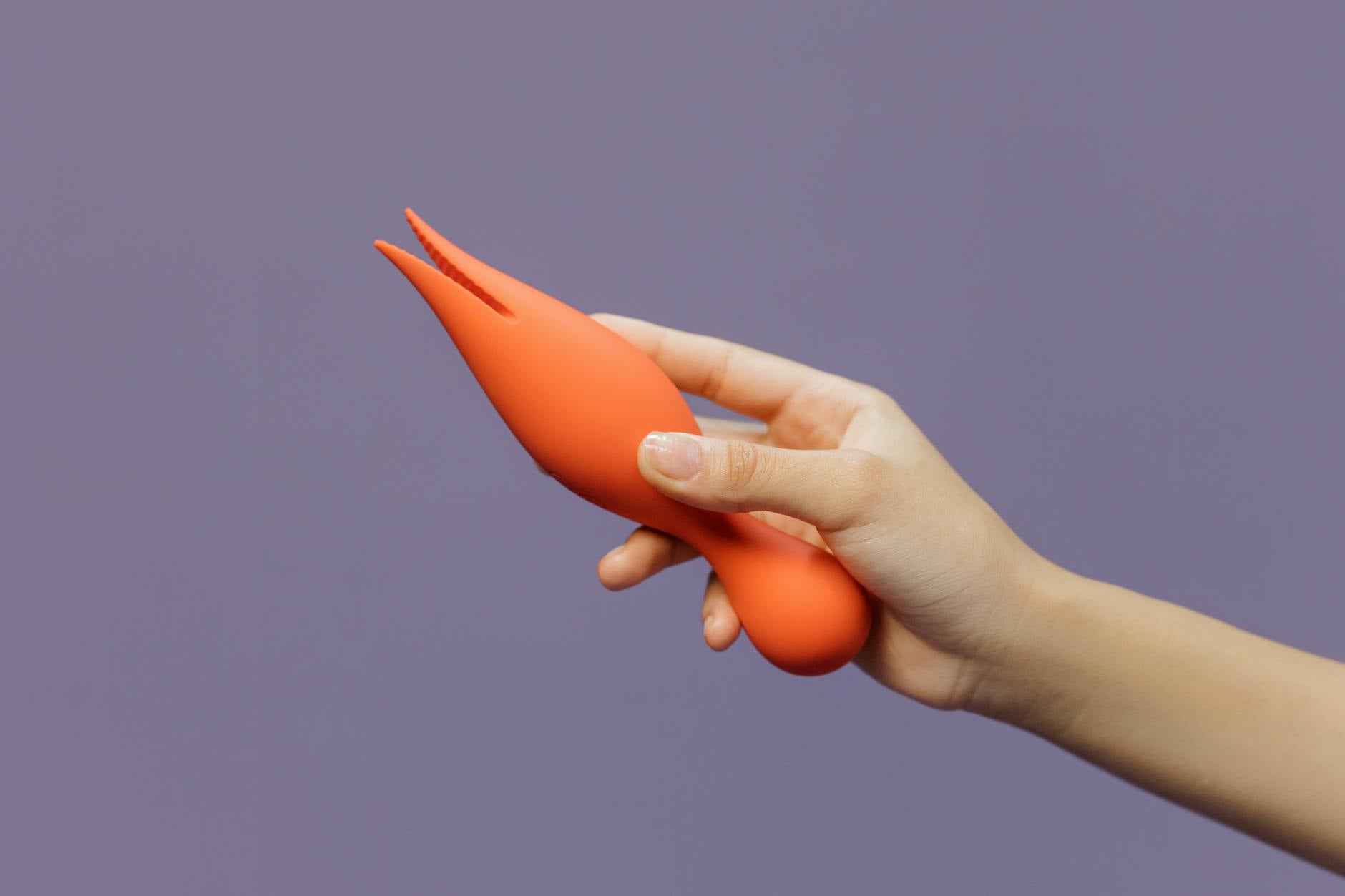
This is where lemon vibrators enter the picture. I'm talking about devices like the Lem, which uses air-pulse technology rather than traditional vibration.
Here's why this matters: traditional vibrators require direct clitoral contact and often a fair bit of friction. For thinner tissue that's more sensitive to direct pressure, this can feel too intense or even uncomfortable. Air-suction devices create a gentle seal around the clitoris and work by stimulating the surrounding tissue and nerve endings without aggressive friction.
Think of it this way. A vibrator taps directly on glass. An air-suction device gently pulls and releases around the glass. Same nerve ending, completely different sensation. The Lem and other lemon clitoral vibrators are engineered specifically to work with tissue that's lost some of its elasticity.
Over 40, most of my clients find air-suction to be gentler, faster to climax with, and often more reliably orgasmic than traditional vibration. Some switch entirely. Others rotate between devices depending on the day.
The warm-up is no longer optional
Here's a shift that surprises people: arousal takes actual time now.
At 25, maybe foreplay was 10 minutes. At 40 and beyond, plan for 20 to 30 minutes minimum before you use a vibrator. Your parasympathetic nervous system (the one responsible for arousal) needs more runway. This isn't a flaw. It's just how the body works on lower hormones.
This is where many people mistake a body change for a desire problem. You're not less interested. Arousal just builds differently now. The warmup itself can be genuinely pleasurable if you're not rushing it. Touching your partner, self-touch, even just taking time to mentally connect to what you want. All of it counts.
The bonus: that longer buildup often leads to deeper, more satisfying pleasure. Several long-term studies on midlife sexuality show that people over 40 actually report higher pleasure intensity during orgasm, even though it takes longer to arrive.
Lubrication becomes a non-negotiable tool
I'll say it plainly: use lube. Always.
Not because you're dry or broken. Because thinner tissue is more sensitive to friction, and lube reduces drag. It's a practical accommodation, not a sign of dysfunction.
Water-based lubes are best if you're using silicone toys like the Lem. Silicone-based lubes can degrade silicone over time. A good water-based lube like coconut oil or a quality branded option makes a massive difference in comfort and sensation.
Apply it generously. Not "a little bit." Enough that you feel a glide, not a catch. This changes everything about how a lemon clitoral vibrator feels against your body.
The emotional shifts that actually matter more
Here's what I see in my practice over and over: midlife doesn't just change your body. It changes your head.
At 40 and beyond, you've usually dropped a lot of the performance anxiety that plagued your 20s and 30s. You know what you want. You're less interested in impressing anyone. You're more likely to advocate for your own pleasure. That psychological shift alone changes the experience in ways that have nothing to do with hormones.
Some clients tell me their best orgasms came after 40, not because the mechanics improved, but because they finally gave themselves permission to slow down, ask for what they wanted, and stopped apologizing for their needs.
If you're partnered, that shift can destabilize things temporarily. You might want different timing, different intensity, different foreplay entirely. The solution isn't to ignore it or assume it's medical. It's to name it explicitly. "My body is responding differently, and I want us to explore this together." That conversation is separate from and more important than the physical adjustments.
When sensation gets weird, it's usually fixable
If arousal takes forever or disappears entirely, get your hormone levels checked. A simple blood test shows your estrogen and testosterone levels. If they're low, topical estrogen or testosterone therapy is available and often life-changing. It's not a hack. It's medicine.
If pleasure feels numb or distant, that can be neurological (medication side effects, stress, depression) or vascular (blood flow issues). Both are worth exploring with a healthcare provider who specializes in sexual health.
If vibrators suddenly hurt, stop and get assessed. Genitourinary syndrome (tissue thinning and inflammation) is real and treatable, usually with topical estrogen cream that has minimal systemic absorption.
The point: you don't have to white-knuckle through discomfort. Medical support exists.
Lemon vibrators work because they match what your body needs
This is why air-suction lemon clitoral vibrators have become so popular with people in midlife. They're engineered for lower-estrogen tissue. They're gentler. They're faster to orgasm with. They often deliver more consistent, intense climax.
If traditional vibrators stopped working the way they used to, it's not because you're broken. It's because your tissue changed and you need a different tool. The Lem and similar devices meet your body where it actually is.
What comes next
The honest version of midlife sexuality is this: something does change. Pleasure doesn't end. It transforms.
You might need lube now. A longer warm-up. A different kind of vibrator. A conversation with your partner about what you both want. Maybe a hormone check. All of that is normal, manageable, and often the door to better, more intentional pleasure than you've ever had.
Your capacity for pleasure after 40 is not diminished. It's just asking for honesty, better tools, and permission to take your time.
People Also Ask
Do clitoral vibrators work less effectively after 40?
Traditional vibrators work the same neurologically, but your tissue has changed, so the sensation feels different. What worked at 25 might feel too intense or not intense enough at 40. That's why many people switch to air-suction devices like lemon vibrators, which are gentler on thinner tissue and often more reliably orgasmic for midlife bodies.
Why does arousal take longer after 40?
Lower estrogen and testosterone reduce blood flow to the genitals and slow down the nervous system's arousal response. This isn't medical dysfunction. Your parasympathetic nervous system simply needs more time to activate. Plan for 20-30 minutes of foreplay instead of 10, and you'll likely find arousal builds just as intensely as before.
Is it normal for orgasms to feel different in midlife?
Completely normal. Lower estrogen changes pelvic floor support, so orgasms might feel more localized, less full-body, or have a different rhythm. Many people report they're actually more intense at midlife because they're more psychologically present and less worried about performance. Quality often increases even as sensation shifts.
Can hormones really affect vibrator response?
Yes. Estrogen affects tissue thickness, sensitivity, and how quickly nerve signals fire. Lower estrogen means you might need a gentler device (like an air-suction lem vibrator), more lubrication, and longer foreplay. If sensitivity has dropped dramatically, hormone testing and possibly topical estrogen cream can help restore response within weeks.
What's the best lube to use with the Lem and other lemon clitoral vibrators?
Water-based lubricants only, since the Lem is made of silicone and silicone-based lubes can degrade silicone over time. Apply generously. You want obvious glide, not just "a little bit." A good water-based lube makes an enormous difference in comfort and pleasure sensation with air-suction devices.
Should I see a doctor if my pleasure response changes after 40?
If change happens gradually and you can adapt tools and foreplay, medical care isn't urgent. If arousal completely disappears, if vibrators suddenly hurt, or if you suspect hormonal shifts are affecting you, absolutely get assessed. Hormone testing, topical estrogen, or testosterone therapy are all available options that work quickly.
The bigger picture
Your body at 40 is not a broken version of your body at 25. It's a different body with different needs. The good news: once you know what those needs are, pleasure often deepens. You have better tools, you know yourself better, and you're less interested in faking it. That combination is powerful.
If you're wondering whether your experience is normal, or you want help navigating how these changes affect your relationship or self-pleasure practice, reach out. That's exactly the kind of conversation I'm here for.