Let's name what's actually happening
Clitoral hypersensitivity is real, it's painful, and it's not rare. If direct touch to your clitoris feels sharp, raw, or burning instead of pleasurable, you're dealing with either physiological hypersensitivity (the nerve endings are literally firing too easily) or psychological guarding (your nervous system has learned to protect the area after injury, surgery, or repeated pain). Both are treatable. Both respond well to the right approach.
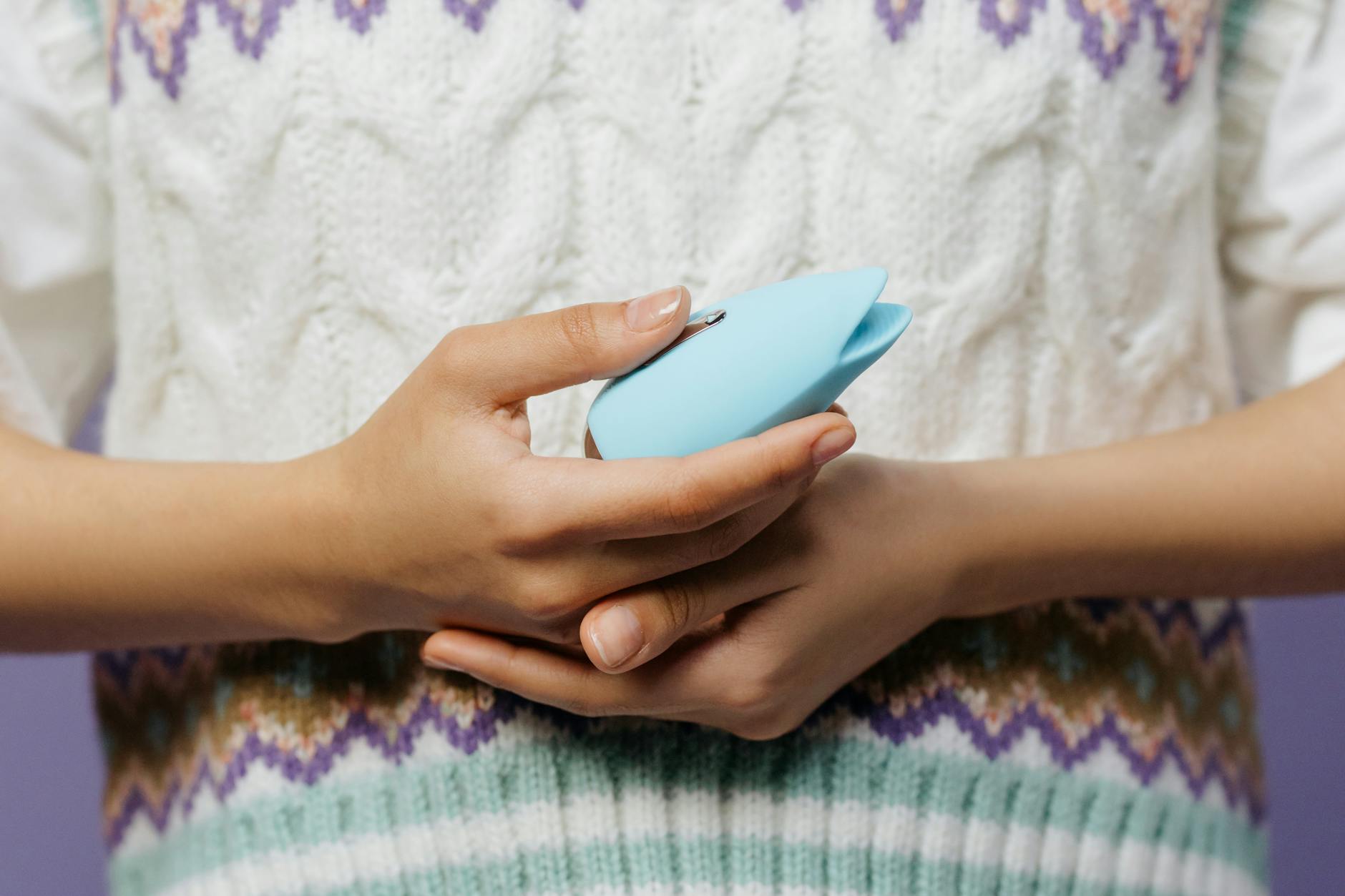
The good news? Lemon vibrators, specifically air-suction devices like the Lem, work differently than traditional vibrators. They don't require direct friction. That distinction can be life-changing.
Why traditional vibrators often make it worse
Standard vibrators, even on low settings, deliver rapid mechanical stimulation directly to sensitive tissue. If your clitoris is already inflamed or your nervous system is in protection mode, that friction triggers more pain. It's not weakness. It's biology punishing you for trying to feel pleasure, which is genuinely unfair and also solvable.
The mechanism matters here. A traditional vibrator is basically a tiny jackhammer. An air-suction device like a lemon clitoral vibrator works by creating rhythmic pressure waves that stimulate the clitoris and surrounding tissue without direct contact. The difference is enormous for people with hypersensitivity.
How air-suction technology bypasses the pain
Instead of vibration, suction creates gentle pressure pulses. Your clitoris is covered in a hood of tissue, and suction stimulates the entire organ, not just the exposed glans. This diffuses intensity across a wider area, which means no single point gets overwhelmed.
When you use a lemon vibrator on a hypersensitive clitoris, you're also introducing an element of novelty to the nervous system. Your brain and body have learned that direct touch equals pain. Suction feels fundamentally different. Your nervous system doesn't immediately categorize it as a threat.
This is why so many people with clitoral pain report success with air-suction devices when they've failed with everything else. It's not placebo. It's a different stimulus pathway entirely.
Starting over: the desensitization protocol
If hypersensitivity has made your clitoris a no-go zone, you need a rebuild plan. Here's what works:
Week 1: Touch over clothes. Use your lemon vibrator over underwear or pajamas. Low setting, 2-3 minutes, once daily. The goal is zero pain. If it hurts, you've gone too intense. Back off further.
Week 2: Silicone or fabric barrier. Place a soft cloth (cotton, silk, or the medical-grade silicone cover if your device has one) between the vibrator head and your skin. Still low setting, 3-5 minutes daily. You're teaching your nervous system that this sensation is safe.
Week 3: Increasing proximity. You can move the cloth aside and let the vibrator make contact with your underwear directly. If that's pain-free, you've made real progress. Many people camp out here for 1-2 weeks. That's fine.
Week 4 onwards: Graduated direct contact. Only when weeks 1-3 feel completely comfortable, try brief direct contact on the lowest setting. Thirty seconds. If it's okay, next time try 45 seconds. You're not rushing this.
This isn't slow. This is your nervous system learning that your clitoris is a safe place to have sensation again.
The role of lubrication and patience
When you're finally ready for direct contact, use a water-based lubricant. A lot of it. Lube serves two purposes here: it reduces any residual friction and it signals to your nervous system that this is a nourishing, gentle act, not an aggressive one. Psychologically and physiologically, that matters.
Patience is your actual tool here. If you rush, you'll trigger more pain, reinforce the protection pattern, and lose progress. If you move slowly and stop whenever anything feels sharp, your nervous system gradually realizes it can relax. That's when pleasure returns.
Medical factors that cause hypersensitivity
Sometimes hypersensitivity has a specific source worth addressing alongside the lemon vibrator work. Lichen sclerosus, vulvodynia, post-surgical nerve irritation, hormonal changes, and dermatological conditions can all create raw or burning sensation.
If hypersensitivity arrived suddenly, worsened over time, or is accompanied by visible changes to the skin, see a vulvovaginal specialist or dermatologist. There's no shame in this. Many conditions are highly treatable with topical medications, and treating the underlying issue makes the nervous system retraining work faster.
If you're already working with a provider, the Lem can actually support treatment. As inflammation resolves, you have a tool for gently reintroducing sensation without retraumatizing the area.
Emotional desensitization (just as important as physical)
Hypersensitivity often comes with psychological baggage. You've learned that your clitoris equals pain. That learning runs deep. Even when the physical sensitivity starts improving, your brain might stay protective. That's normal.
As you rebuild with your lemon vibrator, you're also teaching your nervous system a new story. This becomes a ritual of reclamation, not conquest. You're not "getting over it" or "pushing through." You're gently, kindly proving to your body that sensation can be safe again.
Some people find it helpful to use the Lem in a specific, quiet space. Some pair it with grounding techniques like focusing on breath or body awareness. None of this is required, but it helps if you're carrying trauma or anxiety around this area.
When to seek help and when to trust the process
If you've worked through the four-week protocol and still experience sharp pain, loop in a healthcare provider. Hypersensitivity is treatable, but the solution might include pelvic floor physical therapy, topical medications, or nerve blocks depending on the cause.
If pain is lessening but slowly, keep going. Nervous system changes take time. You're not failing. You're rewiring.
Most people report measurable improvement in 4-8 weeks of consistent, patient lemon vibrator use. Some take longer. Your timeline is your timeline.
The pleasure that comes after
One thing I see repeatedly: people who rebuild sensation after hypersensitivity often report that their orgasms become more intense and nuanced. Your nervous system, once it realizes the area is safe, can access deeper pleasure than before the pain began. That's not compensation. That's what happens when the fear lifts.
Your clitoris isn't broken. Your nervous system just learned the wrong lesson. A lemon vibrator gives you the tool to teach it a better one.
FAQ
Is air-suction safer than vibration for hypersensitive clitorises?
For hypersensitivity specifically, yes. Air-suction devices distribute stimulation across a wider area and don't rely on direct friction. That makes them gentler on inflamed or sensitized tissue. Traditional vibrators can work too, but you need much lower intensity settings and often don't get the same relief. Many people find air-suction is the first thing that doesn't hurt.
How long does it take to rebuild sensation?
It varies. Some people feel comfortable with full sensation in 3-4 weeks. Others take 8-12 weeks. A few take longer. The timeline depends on what caused the hypersensitivity, whether there's an underlying medical condition, and how much anxiety your nervous system has built around the area. Consistency matters more than speed.
Can I use a lemon vibrator if I have vulvodynia?
Yes, with the barrier protocol I described. Start very slowly, over clothes, and work toward direct contact only if it's painless. Many vulvodynia patients use air-suction devices successfully. If you're in acute flare, pause and revisit once the inflammation settles. A vulvovaginal specialist can help you figure out the right timeline.
What if lubrication bothers the sensitive area?
Some people with hypersensitivity find standard lubricants irritating. Try a hypoallergenic, fragrance-free option like coconut oil or a medical-grade silicone lube. Some also use a thin plastic barrier (cling film, a glove, or a medical barrier) to reduce direct contact between lube and skin. Experiment carefully and stop if anything feels off.
Should I tell my partner about this?
If you have a partner, yes. Not as shame or apology, but as information. "My clitoris is sensitive right now, and I'm rebuilding sensation slowly. I'm using a specific tool to help." Partners who understand the process can be supportive rather than confused or, worse, pushing you to move faster. You might also check how lemon vibrators rebuild intimacy with a partner who wants to help.
What if pain gets worse after I start using the vibrator?
Stop immediately and don't restart for several days. You've hit your nervous system's current threshold. Go back a step in the protocol. If pain consistently worsens no matter how gently you approach, see a provider. Hypersensitivity is treatable, but sometimes the right tool is medical intervention first, pleasure work second.
The path forward
Clitoral hypersensitivity is one of the cruelest things pleasure can throw at you. Your body's designed to feel joy, and instead it's sending alarm signals. That's not fair. It's also not permanent. A lemon vibrator, combined with patience and the right protocol, can help you move from pain back to sensation, and from sensation back to pleasure. Your clitoris isn't broken. It just needs a different approach.