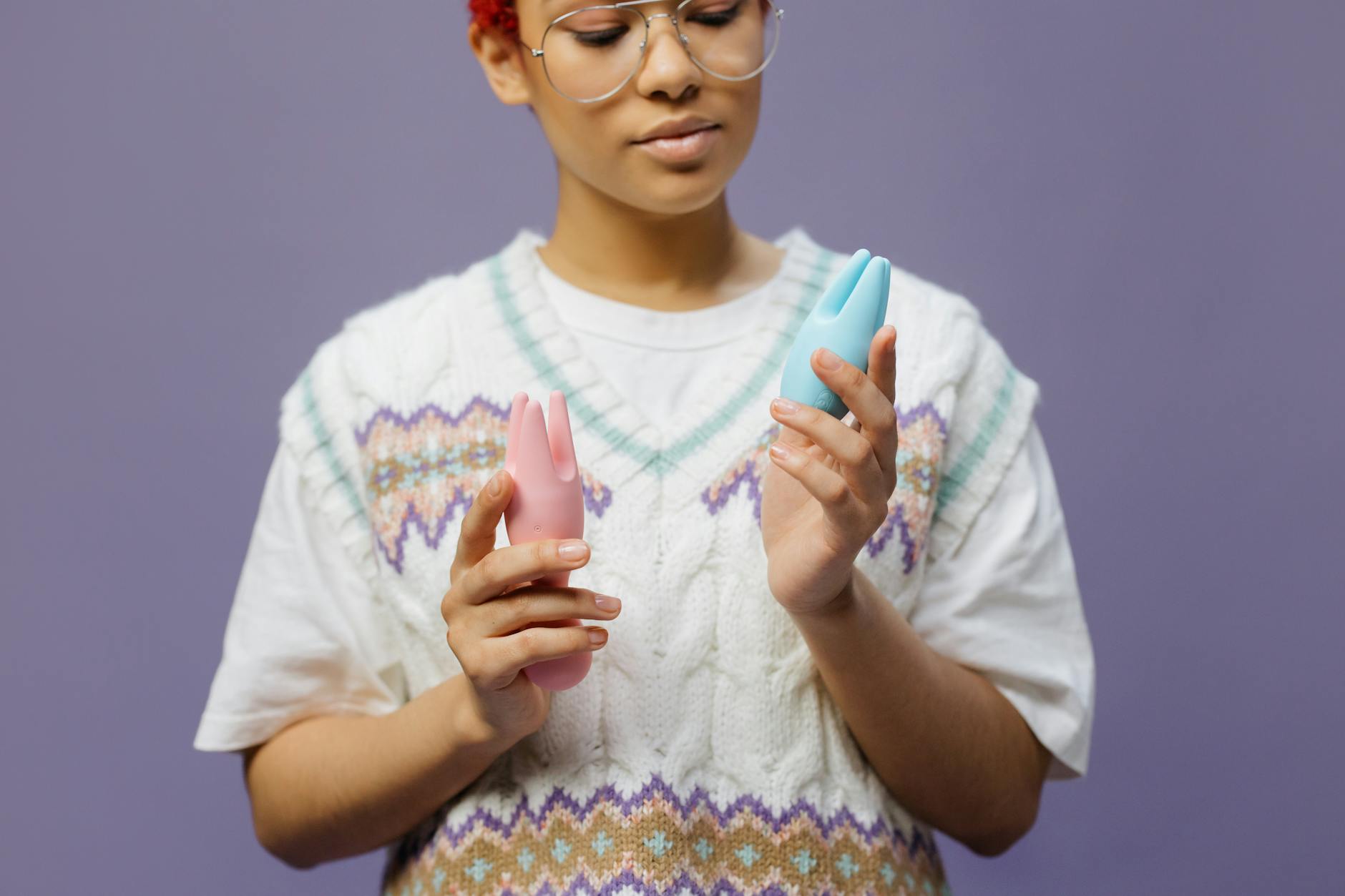
Here's the thing nobody tells you
Introducing a lemon vibrator or any clitoral vibrator to partnered sex feels like it should be this big, vulnerable conversation. In reality, it usually lands better when you treat it like you're suggesting a restaurant, not confessing a secret. The awkwardness lives almost entirely in the anticipation, not the actual moment.
I've sat across from hundreds of couples navigating this exact moment. The ones who nail it aren't the ones with perfect communication superpowers. They're the ones who stopped treating the conversation like a problem and started treating it like information sharing. That shift changes everything.
Why partners actually care less than you think
Most people feel relief when a partner brings this up. Seriously. They usually interpret it as "I want to enjoy sex more with you," not "you're not enough." Those are wildly different messages, and your partner will likely hear the first one if you frame it right.
Here's what research on couples and sex toys consistently shows: partners are far more threatened by secrecy than by the toy itself. A partner who discovers you've been using a vibrator alone in the bathroom and hiding it feels excluded. A partner who hears "I'd love to try this together" feels invited into something that could make sex better for both of you.
The anxiety you're carrying about this conversation? Your partner probably isn't carrying it. They might even be waiting for you to bring it up.
Timing matters, but not in the way you think
Don't introduce this mid-sex. That's not the moment to ask permission or explain new equipment. Do it outside the bedroom, when you're both clothed, calm, and not about to be intimate.
The best time is when you have casual time together—cooking, driving, that weird moment on the couch before bed. You want enough time and space that either of you can ask questions, but not so much formality that it feels like a board meeting. A conversation that lasts three minutes is perfect. Anything longer and you're probably overthinking it.
Avoid these windows: right after sex (weird timing), right before sex (creates pressure), during conflict (obviously), or when either of you is stressed or tired. You want two people who are genuinely present.
What to actually say (real words)
Start with something honest and simple. Pick one of these, or mix them:
"I've been thinking about trying something new in bed, and I'd like your input on it."
"I read about something that made me curious, and I wanted to see if you'd be interested in exploring it together."
"There's a clitoral vibrator I've been thinking about trying with you. Would you be open to that?"
Notice what these do: they're short, they assume openness without demanding it, and they use plain language. No apologies. No "I know this might be weird." Just the information.
If your partner asks why, have an honest one-liner ready. "I think it could feel really good for both of us" works. "I've heard people talking about how much pleasure they get from them" works. "I want to try new things together" works. You don't need a five-paragraph justification.
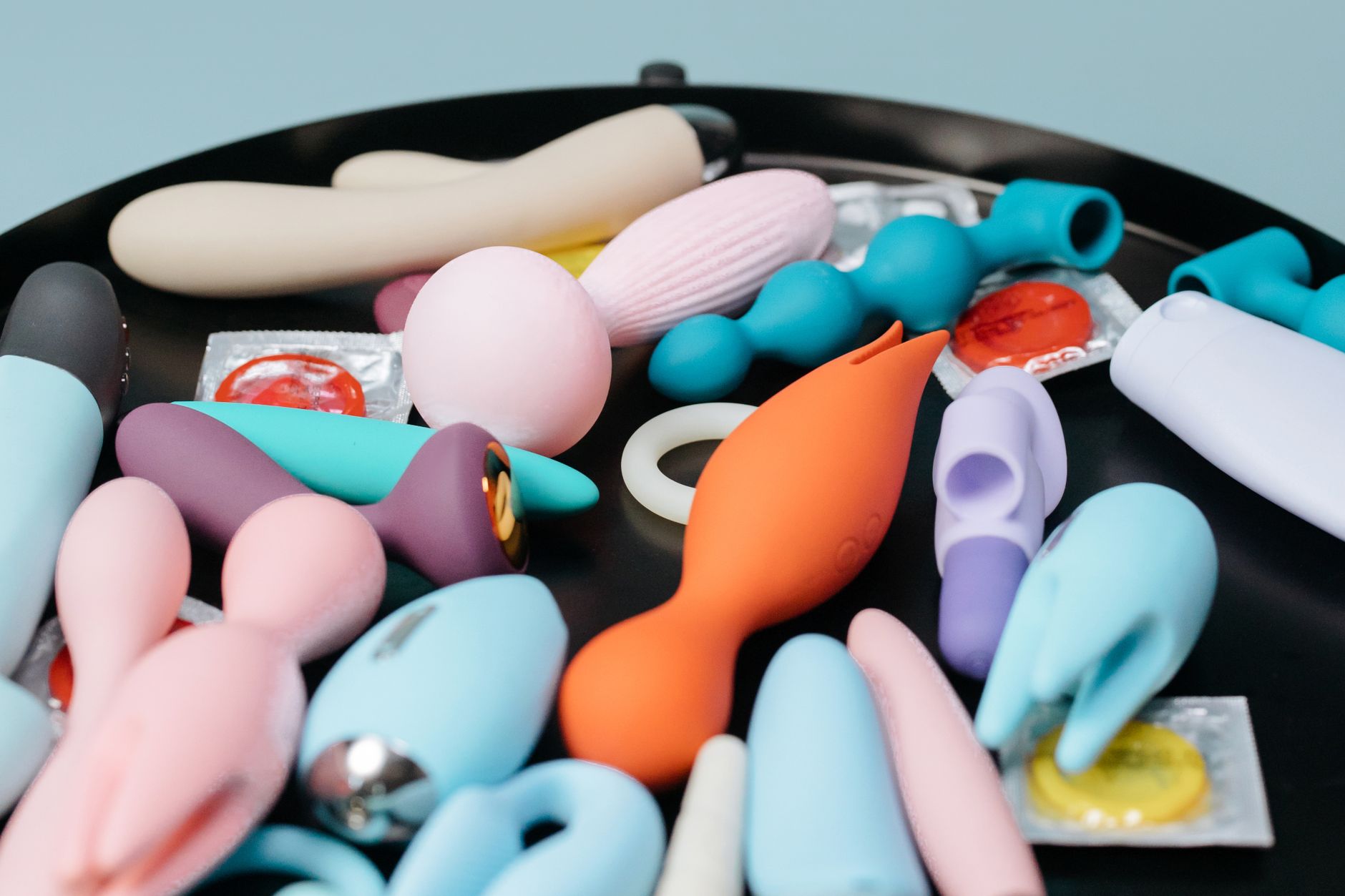
Photo by cottonbro studio on Pexels
If they hesitate or say no
Don't defend. Don't convince. Don't suddenly backtrack and act like you didn't mean it.
If your partner seems unsure, ask one question: "What's making you hesitant?" Then listen. Really listen. They might worry it means you're not satisfied. They might feel insecure. They might just need to understand how it works. These are all fixable with clarity.
Here's what helps: "Using a vibrator during sex wouldn't replace you. It's something we'd do together. The goal is for both of us to feel better." Or: "I like what we do. I just want to add something that might make it feel even better for me." Both of these are true, and both address the real fear underneath "I don't know about that."
If they say no and mean it, you have a choice to make about whether that's compatible with what you want long-term. But most of the time, a no is just "I'm not ready yet." You can revisit this in three months, six months, whenever. It's not a permanent decision.
How to actually introduce the toy for the first time
Once you've had the conversation and there's agreement to try, keep the first time low-pressure. You're not putting on a production.
Start by just showing them the toy when you're both relaxed. Let them hold it, see it, ask questions. If it's a lemon vibrator or other clitoral suction toy, explain briefly how it works: "It uses suction instead of vibration, which feels different and often more intense." That's it. No long demonstration.
During sex, introduce it casually. "I'm going to try this now" is sufficient. You're not narrating a nature documentary. Use it for yourself first, on your own, so your partner can see how you respond. That's often hotter and less awkward than them trying to figure out what to do with it.
If it doesn't feel amazing the first time, that's totally normal. Toys take a few tries. You're learning how to use it, your body is learning the sensation, and the novelty-pressure is real. By the third or fourth time, it usually settles into feeling genuinely good.
The conversation after the first time
Don't do a formal debrief unless something went wrong. If it went well, just mention it casually: "That felt really good. I want to do that again." If it felt weird or disappointing, you can say: "I want to figure out how to use it better. Maybe we try again next time."
Let it become normal. The faster you move past "we tried this new thing" and into "this is just what we do sometimes," the less charged it becomes. Eventually, it's not a big deal. It's just part of your sex life, like positions or timing or any other variable.
The insecurity piece (because it's real)
If your partner struggles with the idea, the actual issue is usually not the toy. It's often one of three things:
They worry it means you're not satisfied with them. The fix: explicitly separate pleasure from partnership. "I love sex with you. This is about expanding what we do together, not replacing anything."
They feel like they should be enough. This is the bigger conversation about what "enough" even means. No single person is a complete sexual solution for another person. That's not failure. It's just human. You can frame it that way: "I want us both to feel as good as possible. This isn't about you not being enough. It's about both of us getting more out of sex."
They don't understand why you want it. Sometimes partners just need to hear that clitoral stimulation during partnered sex helps you orgasm, or orgasm more intensely, or get there faster. It's not mysterious. It's physiology. Once they understand that using a lemon clitoral vibrator or other toy during sex is often the most reliable way for people with clitorises to reach orgasm during partnered sex, it often clicks. Suddenly it's not threatening. It's efficient. It's generous.
FAQ: The questions that actually come up
Will using a vibrator make me lose sensation with my partner's touch?
No. Your sensitivity to direct touch doesn't change from using a vibrator. In fact, many people find that using clitoral vibrators actually makes them more responsive during partnered sex because they're more relaxed and more familiar with what feels good.
What if my partner wants to use it on me and it feels weird?
Speak up immediately. You can guide them: "A little higher," or "That's too much pressure." Or take it back and use it yourself while they touch you elsewhere. There's no rule that your partner has to be the one operating it.
Is it emasculating for my partner if I use a vibrator during sex?
Only if you both buy into the myth that one person should be able to do everything for another person sexually. Most secure partners understand that a clitoral vibrator, whether a lemon vibrator or other type, is simply a tool that helps their partner feel better. There's nothing fragile about that.
Can we use a lemon vibrator together if neither of us has done this before?
Absolutely. Start simple. Don't make it about performance. You're just trying something new. Most couples find that the second or third time feels way more natural than the first.
What if they're open to it but clearly uncomfortable during sex?
Pause. Ask what they're feeling. It might take a few times to feel comfortable. Keep checking in, keep it judgment-free, and give it time. If after several attempts it's still creating tension, you might need to have another conversation about what specifically is uncomfortable and whether there's a way through it.
How do I know if my partner is actually into it or just doing it for me?
You'll feel the difference. When someone is genuinely into something, their body language changes. They're more engaged, more responsive, more present. If you're sensing reluctance, ask directly: "Are you actually enjoying this, or are you doing it because I want to?" Honest answer beats silent resentment every time.
The real endpoint
Introducing a clitoral vibrator to partnered sex is genuinely one of the easiest conversations to have with a partner who cares about your pleasure. You're not asking for anything unreasonable. You're not asking them to change who they are. You're asking if they want to try something that might make sex feel better for both of you.
Most partners say yes. The ones who hesitate usually just need a bit more information or time. And the ones who refuse? That tells you something important about compatibility that's worth knowing.
Stop waiting for the perfect moment. The perfect moment is whenever you decide to have the conversation. Pick a time, use plain language, and let your partner respond. The awkwardness you're imagining almost always disappears the moment you start talking.
Your pleasure matters. Your partner probably already knows that. Introducing them to tools that help you feel good is just inviting them deeper into your sex life, not pushing them away. Frame it that way, and most conversations go exactly as smoothly as they should.
If you need more guidance on how to navigate this or have questions about communication with your partner, reach out. We're here to help.